
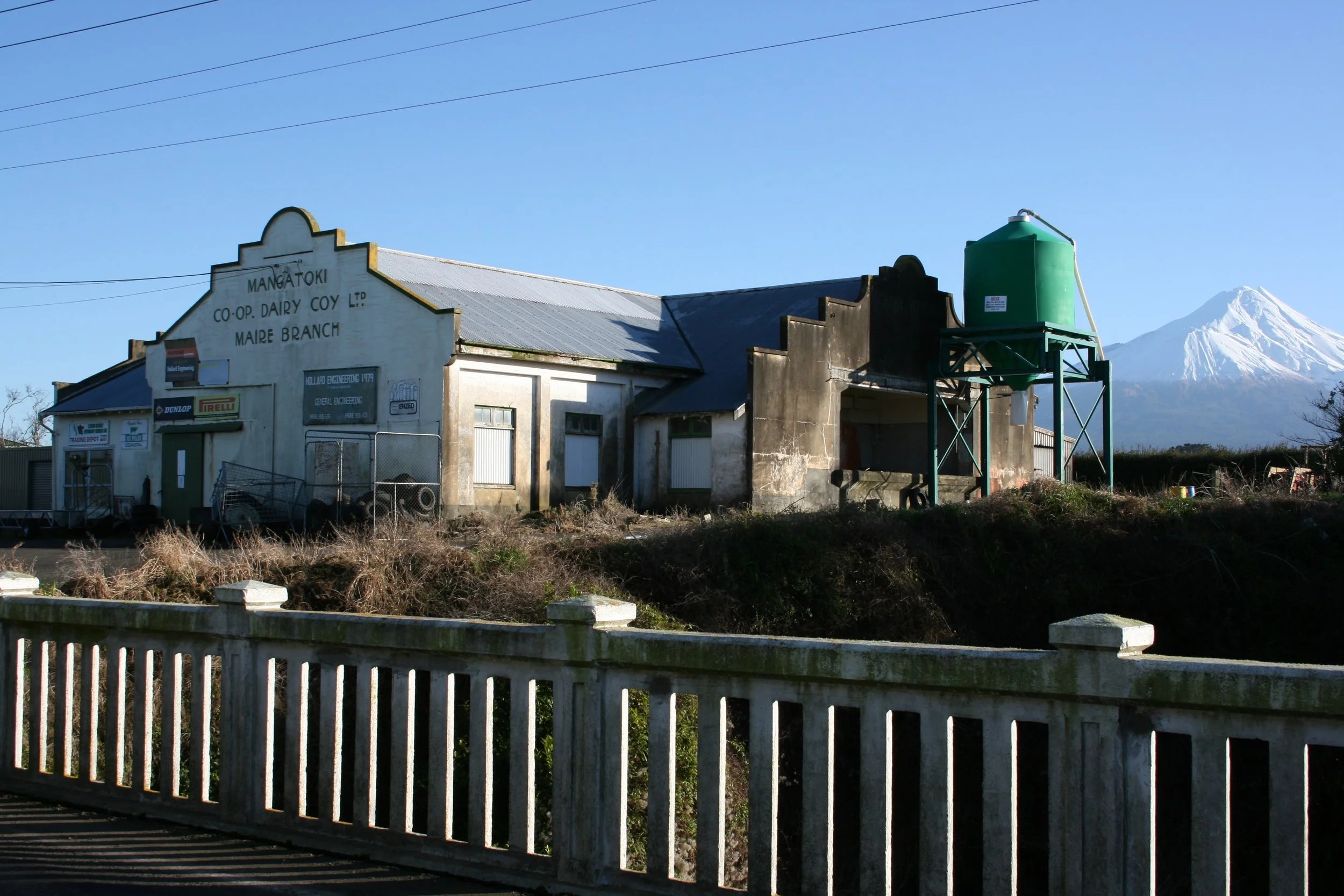
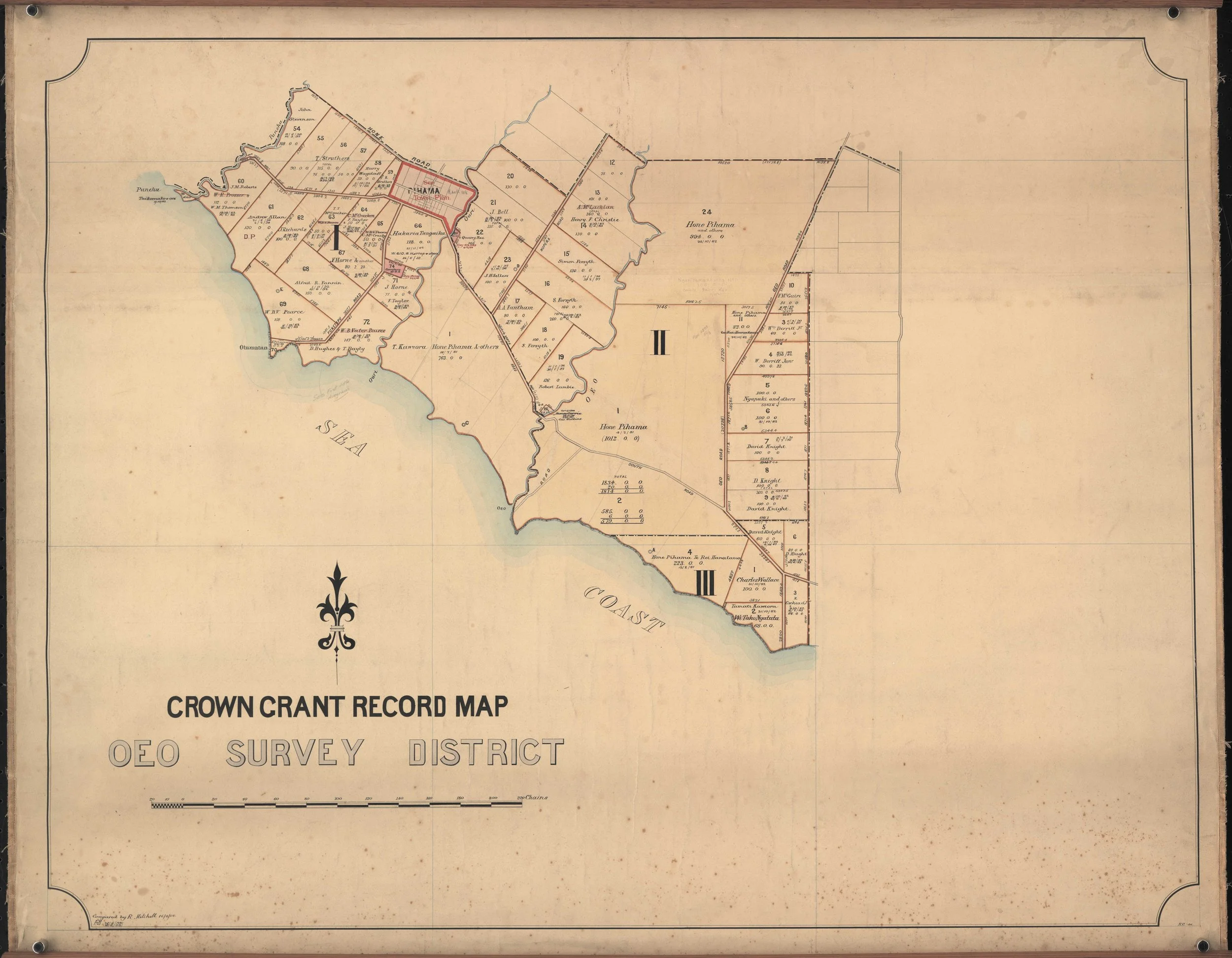
Nopera Road
Around 1900, Forsyth built a butter and cheese factory on section 15, Nopera Road, operating it for approximately three seasons.
The factory traded under the brand “4F”, though the origin of the name remains unknown. By 1900-1901 it appeared in official dairy factory registers as “Nopera (proprietary)”, producing both butter and cheese under Forsyth’s ownership. Output records list 7 tons of butter and 3–4 tons of cheese in the early 1900s.

Douglas
Settlement in the Douglas district began when T. Bayly sold land sections in 1889, and dairying soon followed. The Crown Dairy Company opened the first creamery in late 1899 on the flat near the saleyards, where “the concrete base of the skim milk tank can still be seen”. Farmers delivered milk by horse and dray, with cans hoisted to the stage by chain. Separated cream was transported to the Crown Dairy Company’s Toko butter factory about 9kms away. Payment was initially by volume with the payout in the 1899-1900 season being 3p per 11lb gallon. The Stratford Farmers’ Co operative Association Limited took over the Toko butter factory from the Crown Dairy Company as well as related creameries including Douglas in 1902.
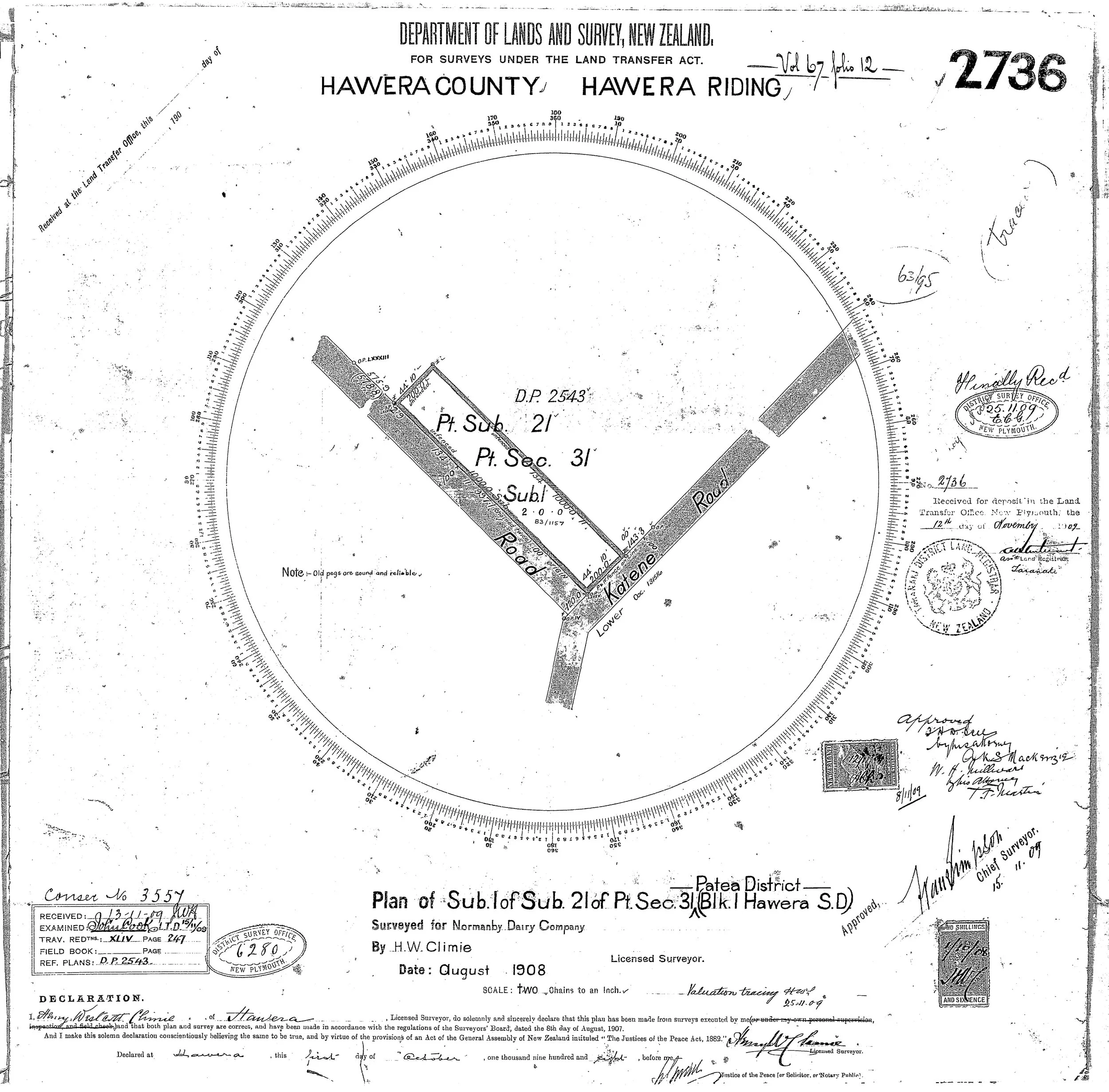
Hirstlands
The Hirstlands Creamery was established in 1908 following the subdivision of the large Hirstlands Estate near Normanby. When the estate was sold in March 1908, the Normanby Co-operative Dairy Factory Company Limited purchased five acres with the intention of building either a cheese factory or a creamery, noting that the decision would “depend upon the support that is likely to be forthcoming”.
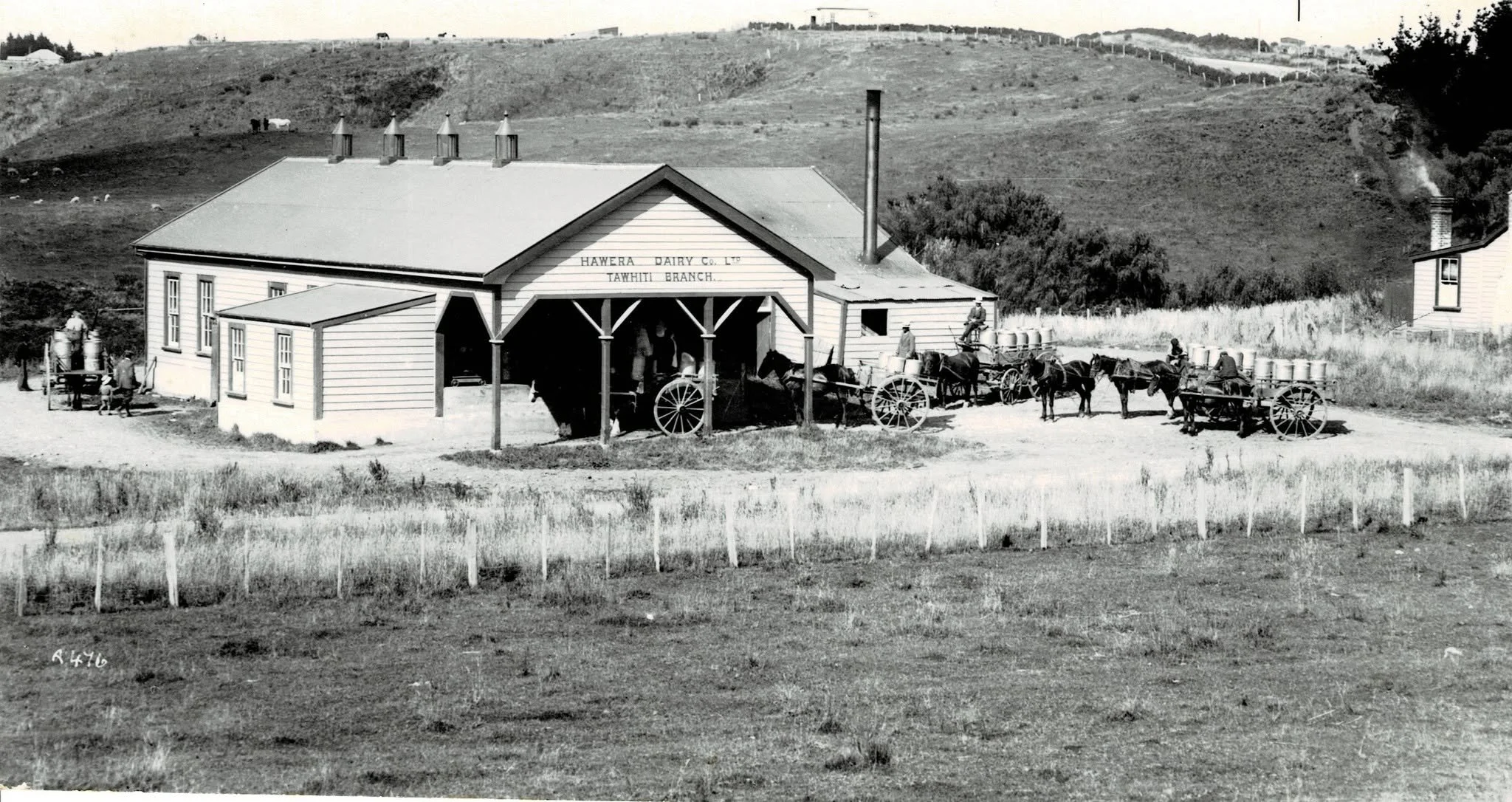
Tawhiti (location 1)
The idea of establishing a dairy factory at Tawhiti first emerged in 1895, when local settlers met to consider forming a co‑operative dairy factory. Advocates such as Mr Sawers promoted co‑operation as the best model, citing successful examples like the Cardiff factory.
Waingongoro
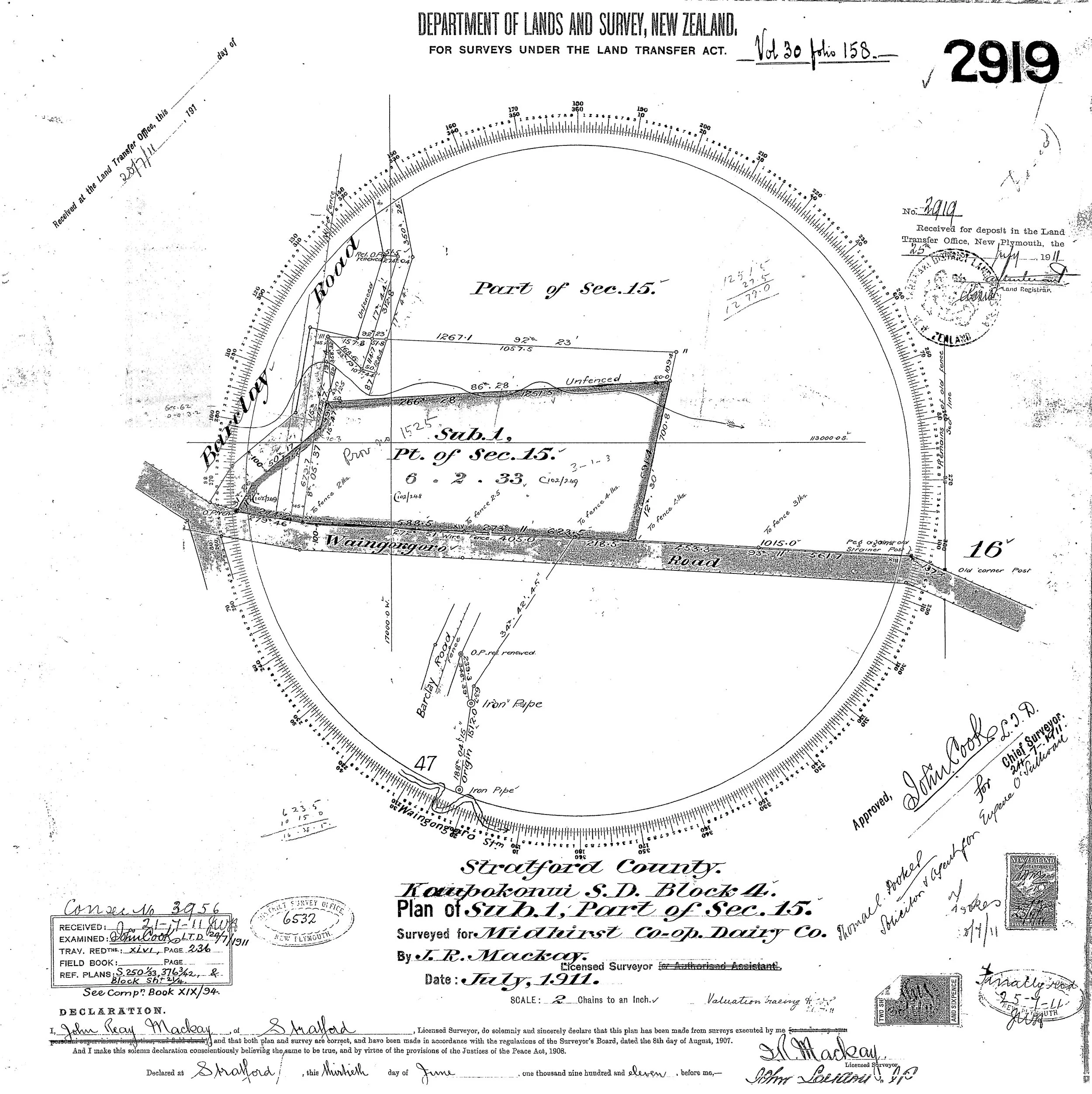
According to legend, the Waingongoro River, one of South Taranaki’s longest waterways, got its name because Ngāti Ruanui leader Turi slept at the river mouth and snored so loudly that the place became known as Wai-ngongoro - “the rumbling waters”.
Pembroke Road (location 1)
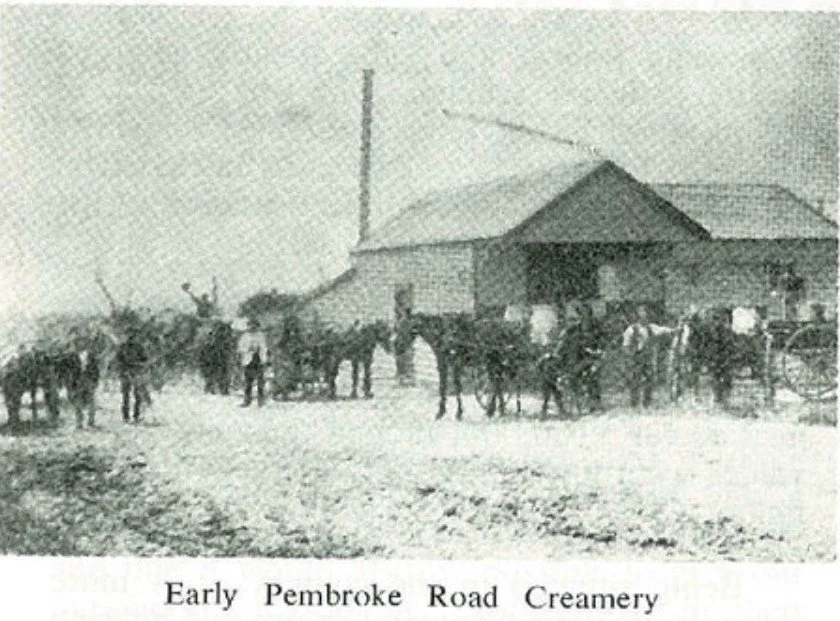
Before a creamery existed on Pembroke Road, local farmers faced a demanding routine having to cart their milk to the Stratford Dairy Company — a return journey of around 14km that took half a day.
Te Popo
Te Popo: From Midhirst to Independence and Back Again
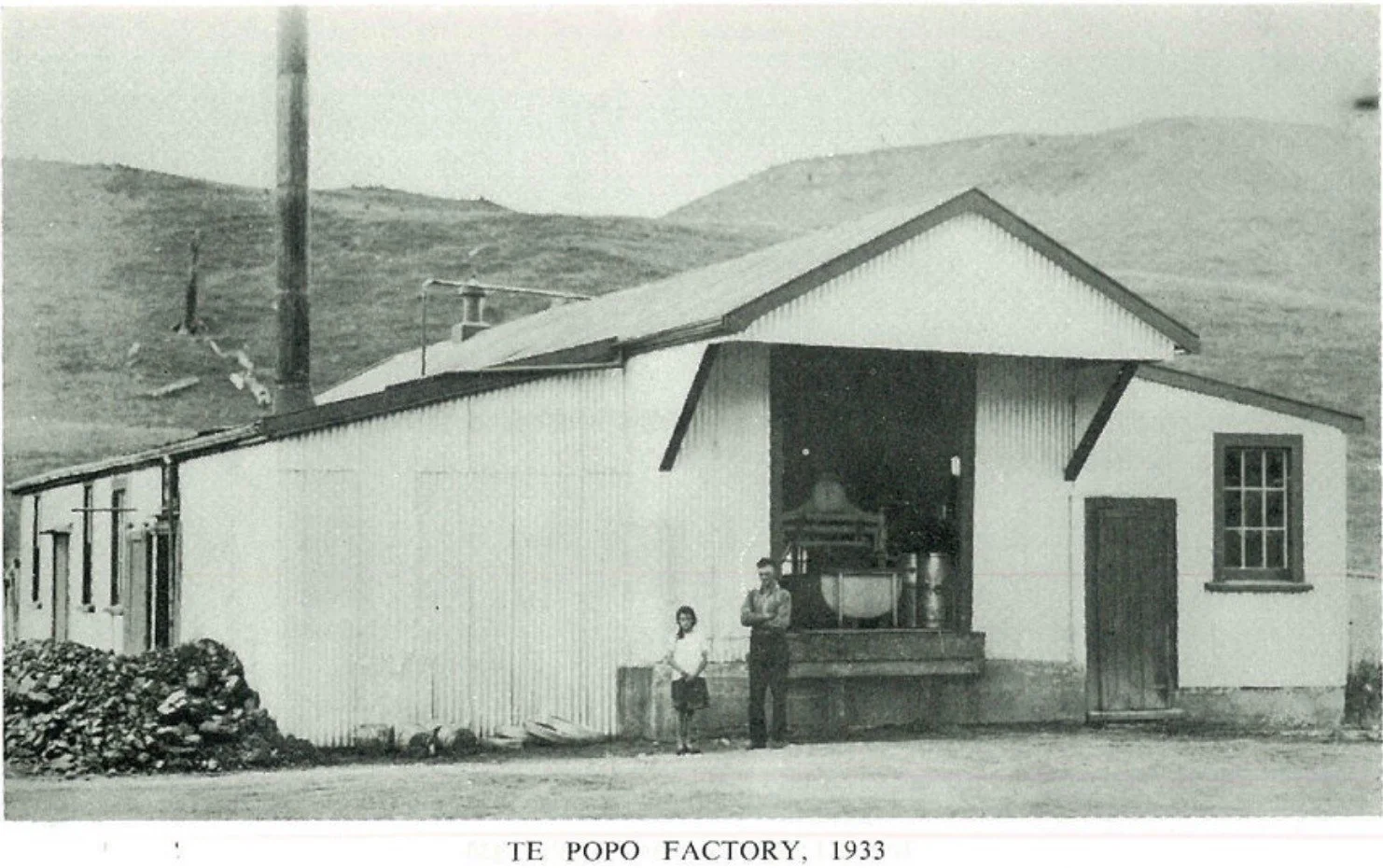
Te Popo, meaning “the lullaby” was the name given to the Makara, Ackland and upper Stanley Road area when a telephone office opened in John Brooker’s home in March 1911. Settlement had spread inland from the main road by 1895 with portable sawmill helping process the timber being cleared from the bush.
Waipuku
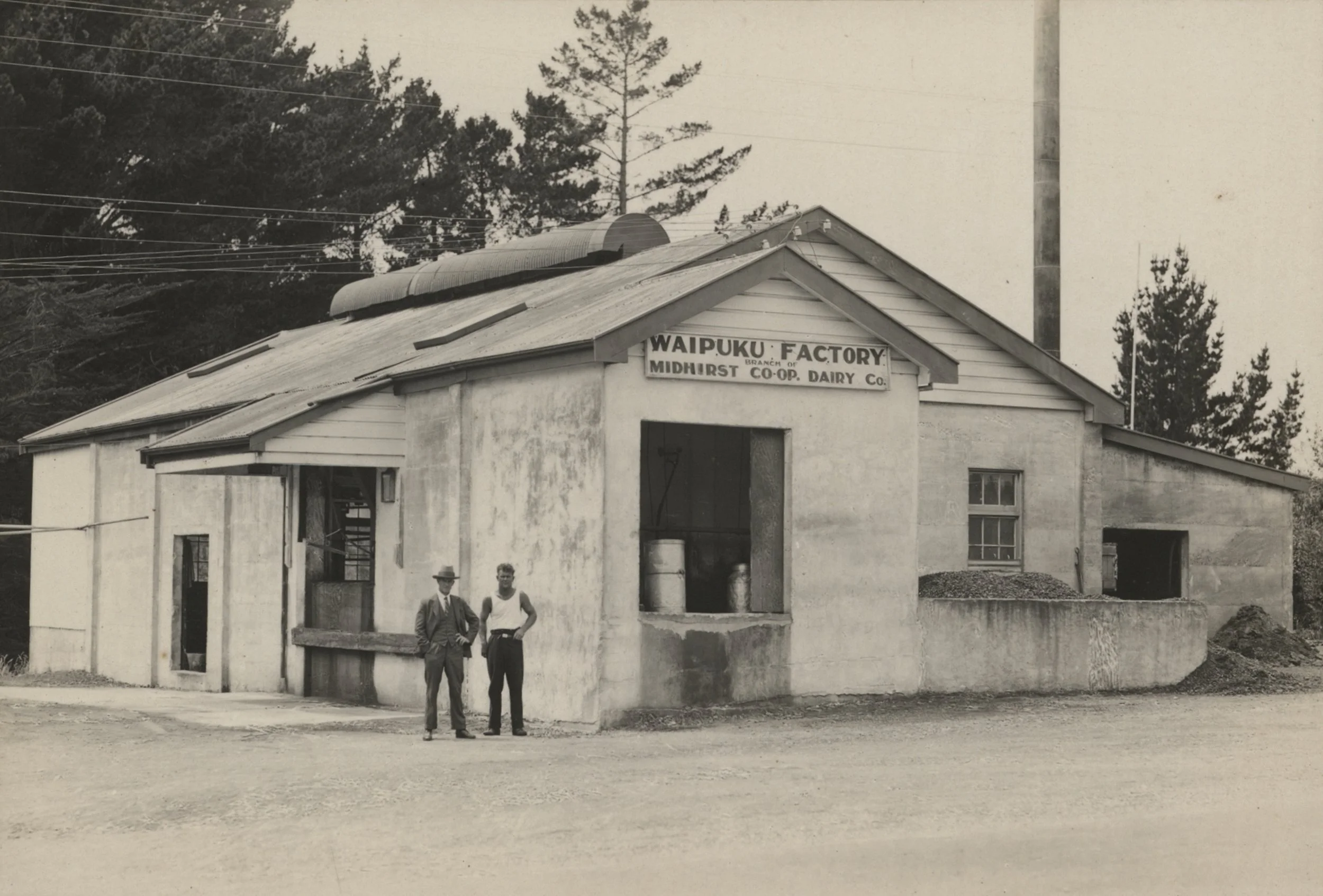
Perched on the highest point of the main road, Waipuku takes its name from the Māori words meaning “swelling waters”, a reference to the springs and streams that feed the nearby river. Today it is little more than a place name, but in the late nineteenth century Waipuku was a thriving rural settlement.
York Road
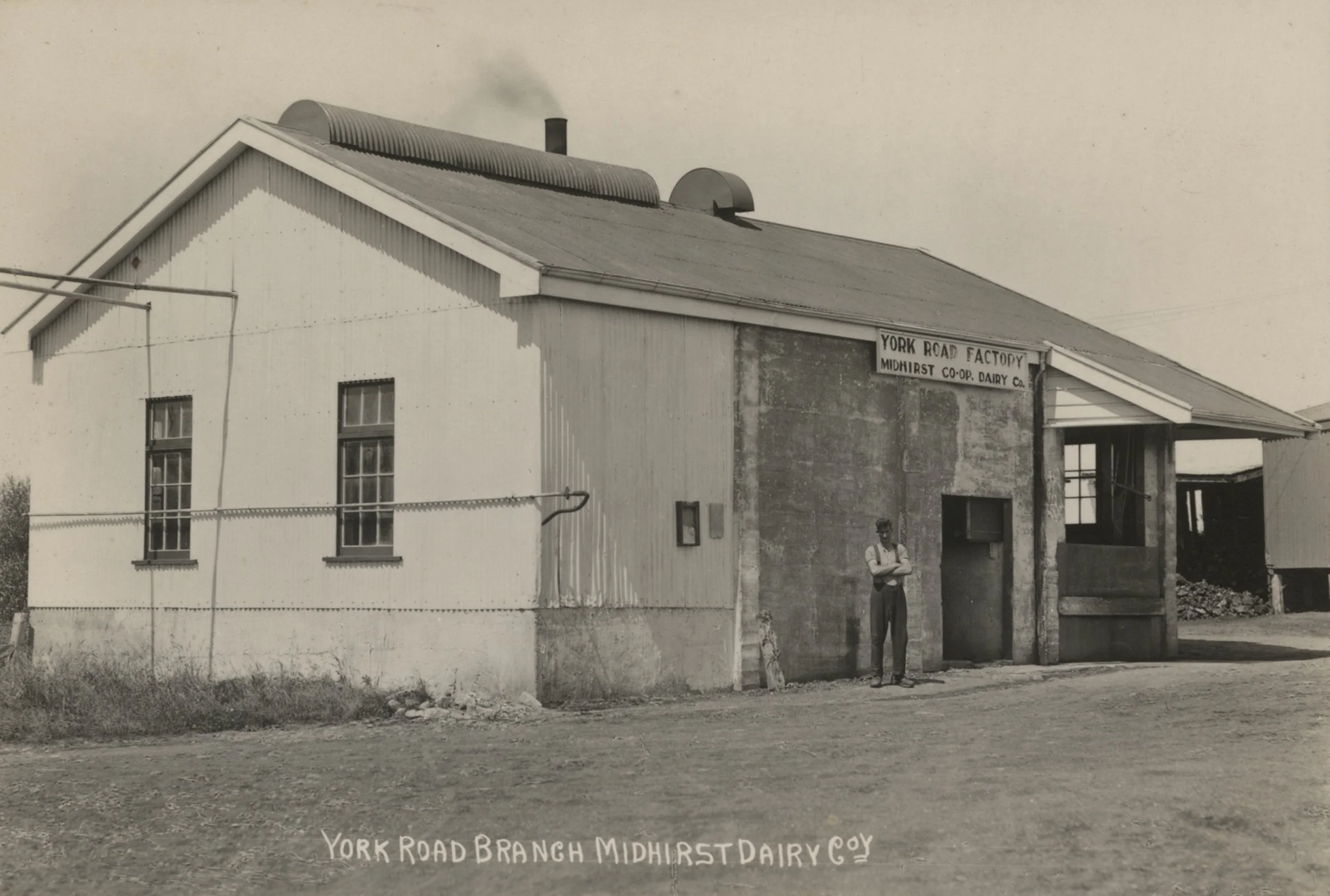
The story of dairying at York Road began with ambition and experimentation. Around 1889, Midhirst farmers established a co-operative butter-packing company on Beaconsfield Road in Midhirst village. The venture produced granulated butter, which was salted, worked and packed into boxes for sale. Despite high hopes, the business struggled and ultimately failed.
Burnside (Sentry Hill)
The Burnside (Sentry Hill) Condensed Milk Factory was opened in November 1898 as one of Taranaki’s earliest attempts to expand dairy production beyond traditional butter and cheese making. Founded by entrepreneur Donald Munro.
Mount Pleasant
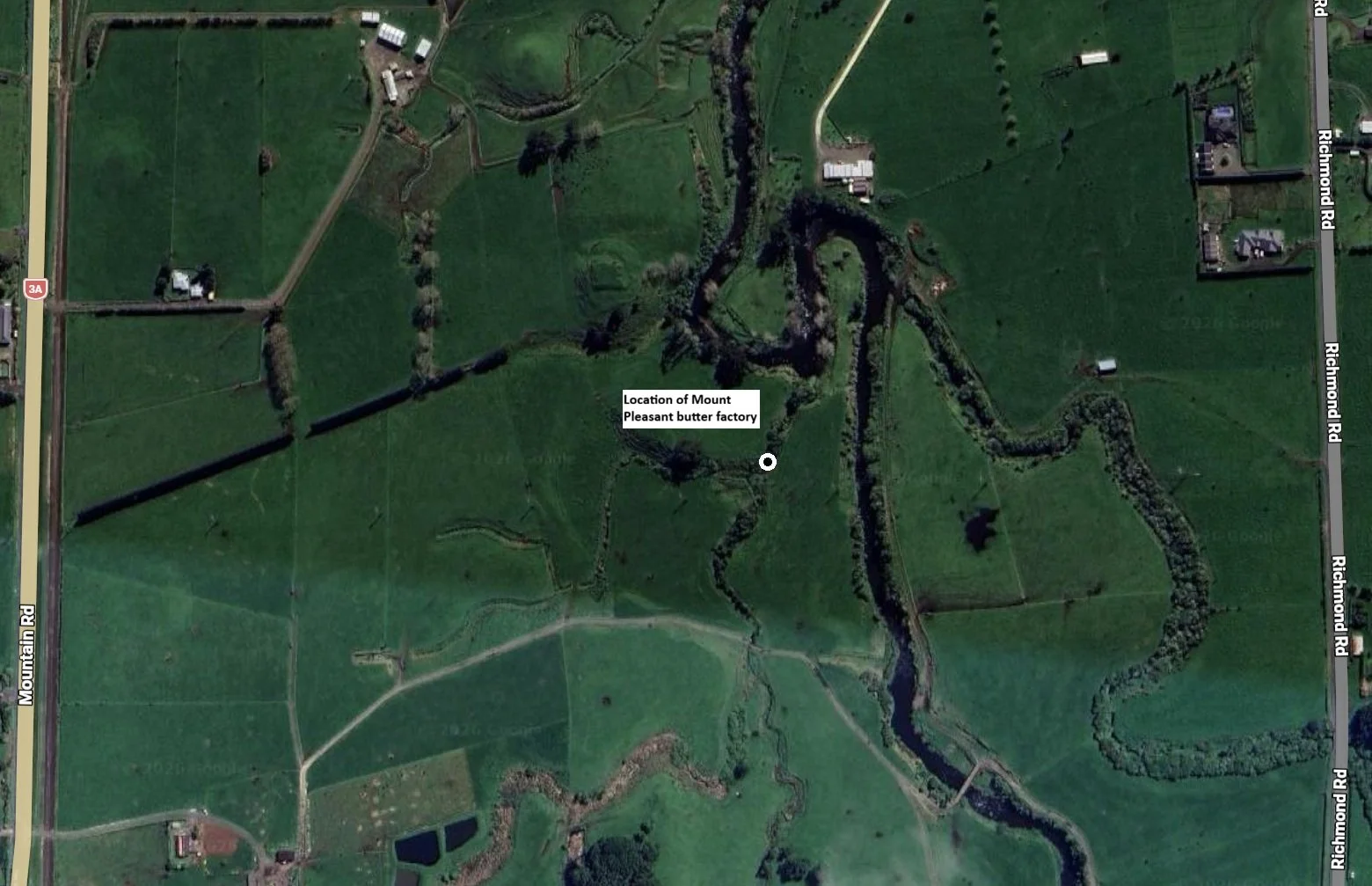
Alice Ford Sampson (1858-1927) the wife of Frederick Henry Sampson (1851-1937) operated a small butter factory on their property on Mountain Road, Sentry Hill near the site of Paponga Pā.
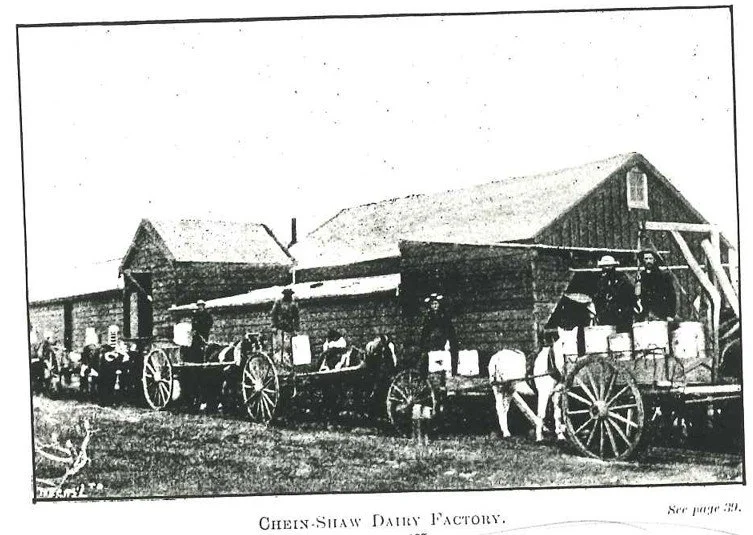
Chien Shan
This butter factory was built on land owned by Henry James Fisher on Henwood Road, Bell Block, New Plymouth. Mr Fisher (the son of the Reverend Henry Sanderson Fisher, Senior Chaplain in Bengal), Mr Fisher spent almost 30 years working as Assistant Commissioner for Maritime Customs at Tamsui on Formosa Island (now Taiwan) before retiring to New Zealand to become a gentleman farmer.
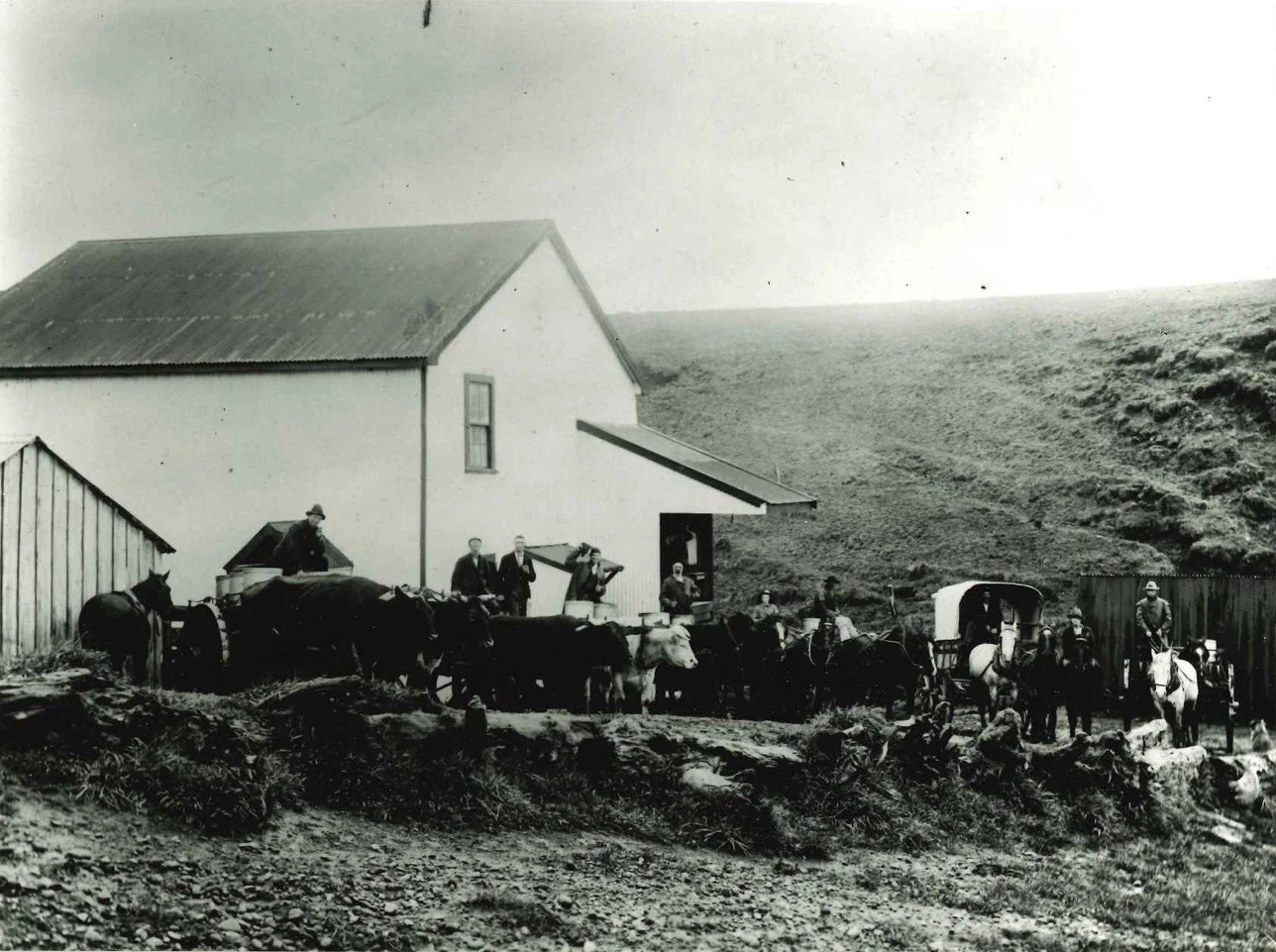
Pitone Beach
The Pitone factory/creamery history dates back to December 1869 when it was originally built as a flax mill by Mr J Dingle at the mouth of the Pitone Stream at the beginning of a flax boom.
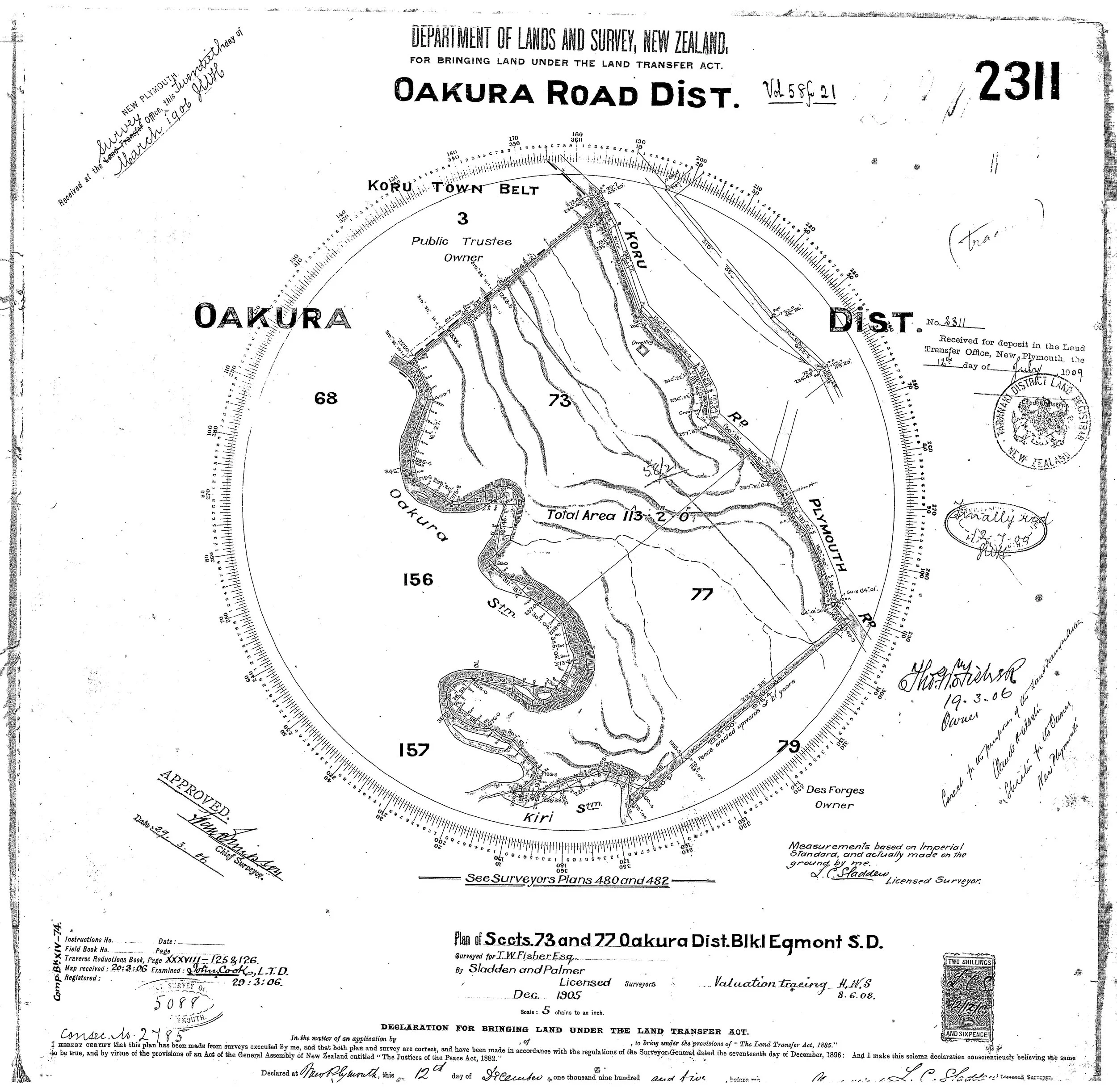
Koru Road (Oakura)
The Koru Road creamery was erected by the Oakura Co-operative Dairy Factory Company Limited in late 1905 to supply the Oakura butter factory in Oakura just under 7kms away.
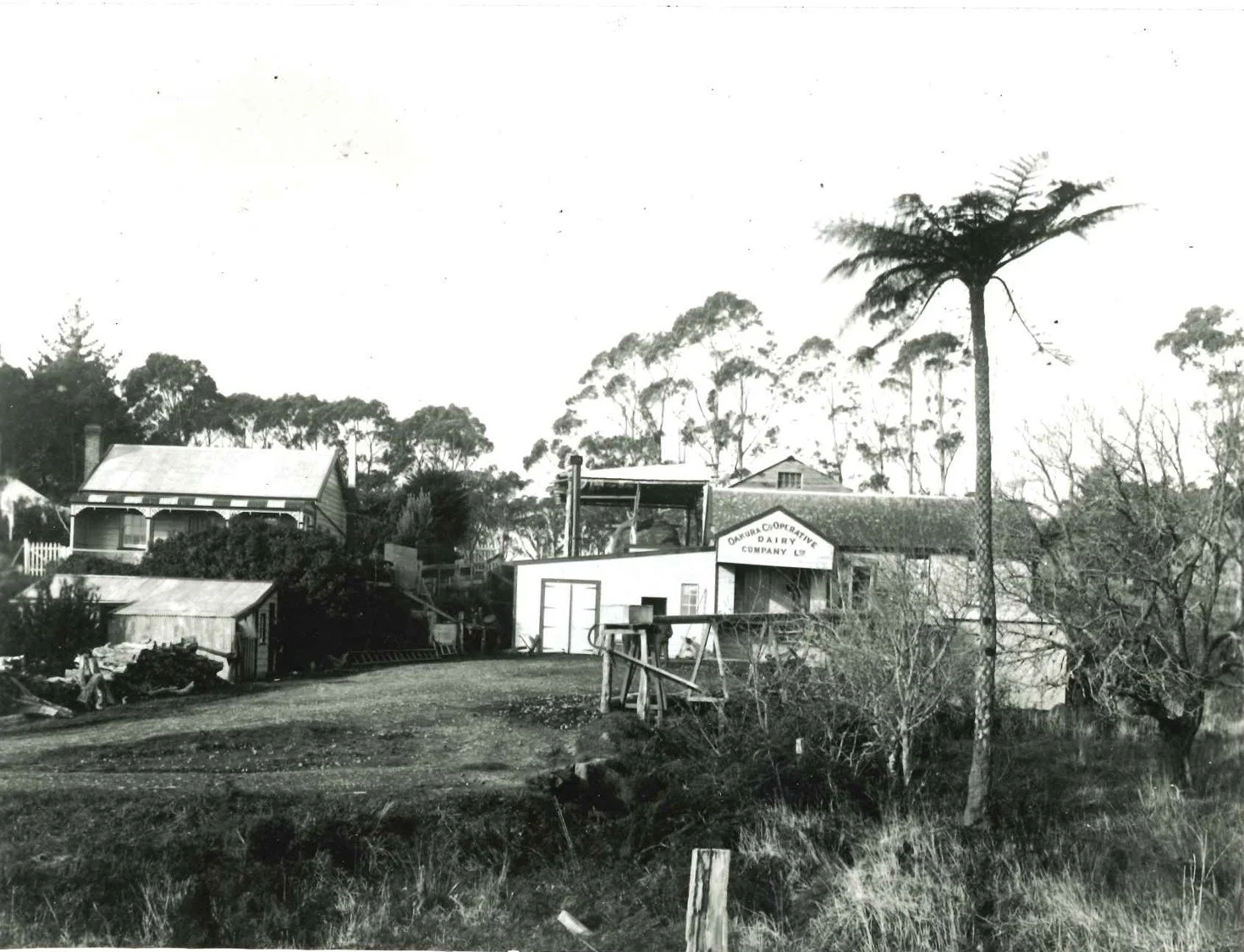
Petch Road
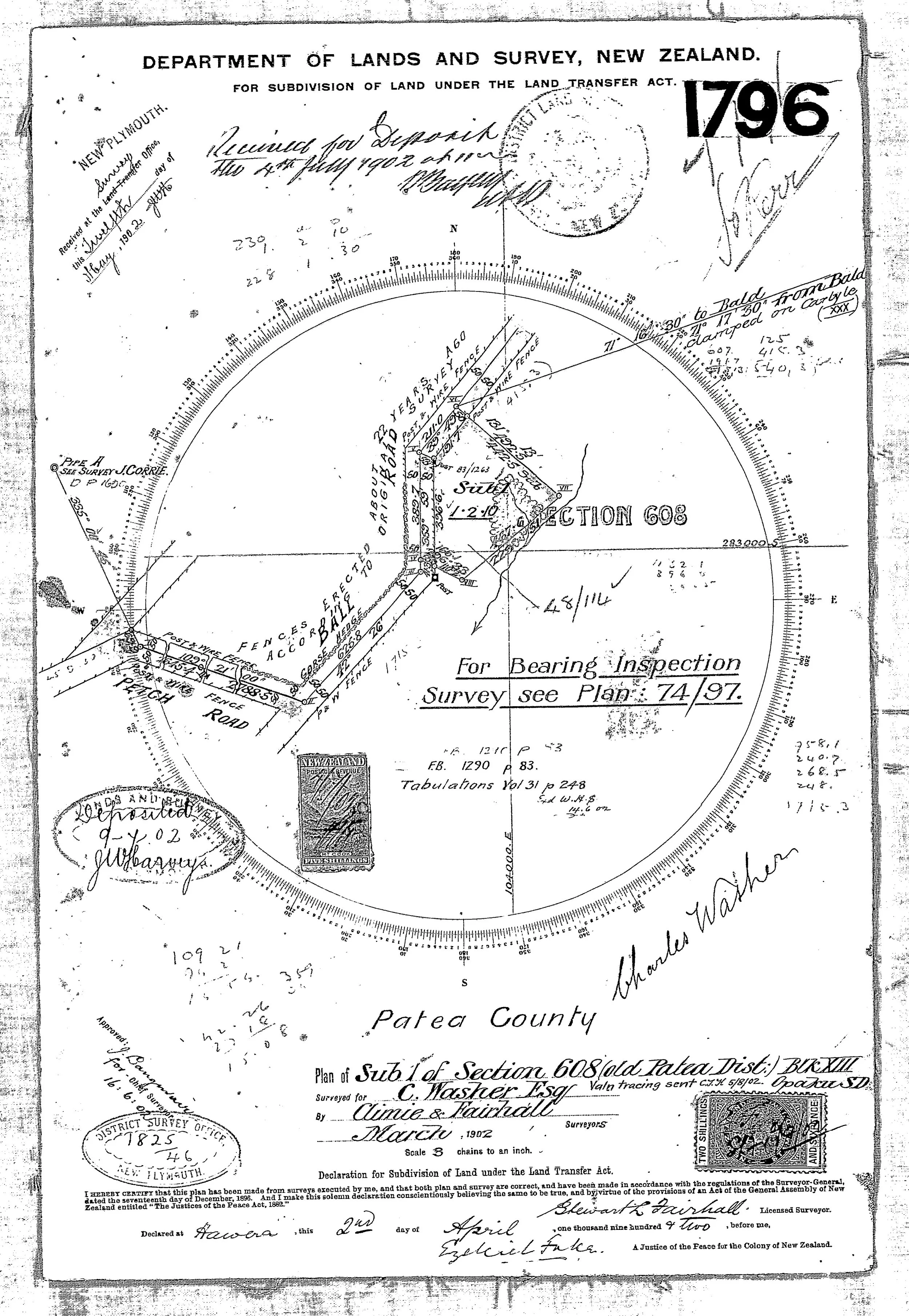
In 1902, Albert E Washer subdivided 1.2 acres for a creamery site on Ball Road just past the Petch Road intersection. The creamery and manager’s cottage opened in time for the 1902-1903 season with a contract to supply cream to the first Kakaramea Co-op butter factory in Kakaramea.
Pokomoko
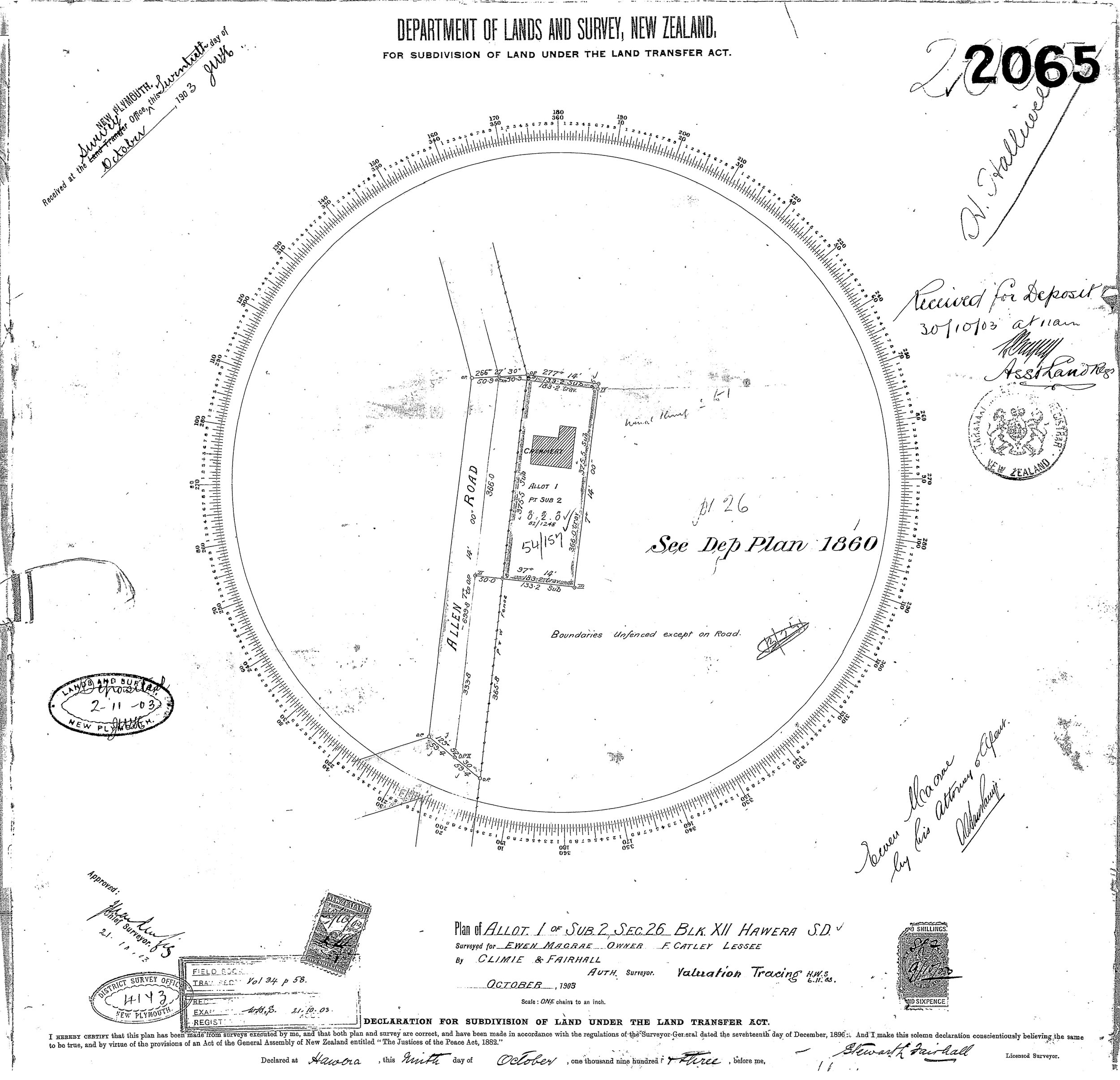
This creamery and then cheese factory had an eventful life in its short history. Originally built on Allen Road, Ohangai for the Mells Co-operative Dairy Company Limited in 1903 for a cost of £312 16s 4d, following its destruction by fire in 1906, the rebuilt creamery was taken over by the Meremere Co-operative Dairy Company Limited in early 1907.
Lincoln Road
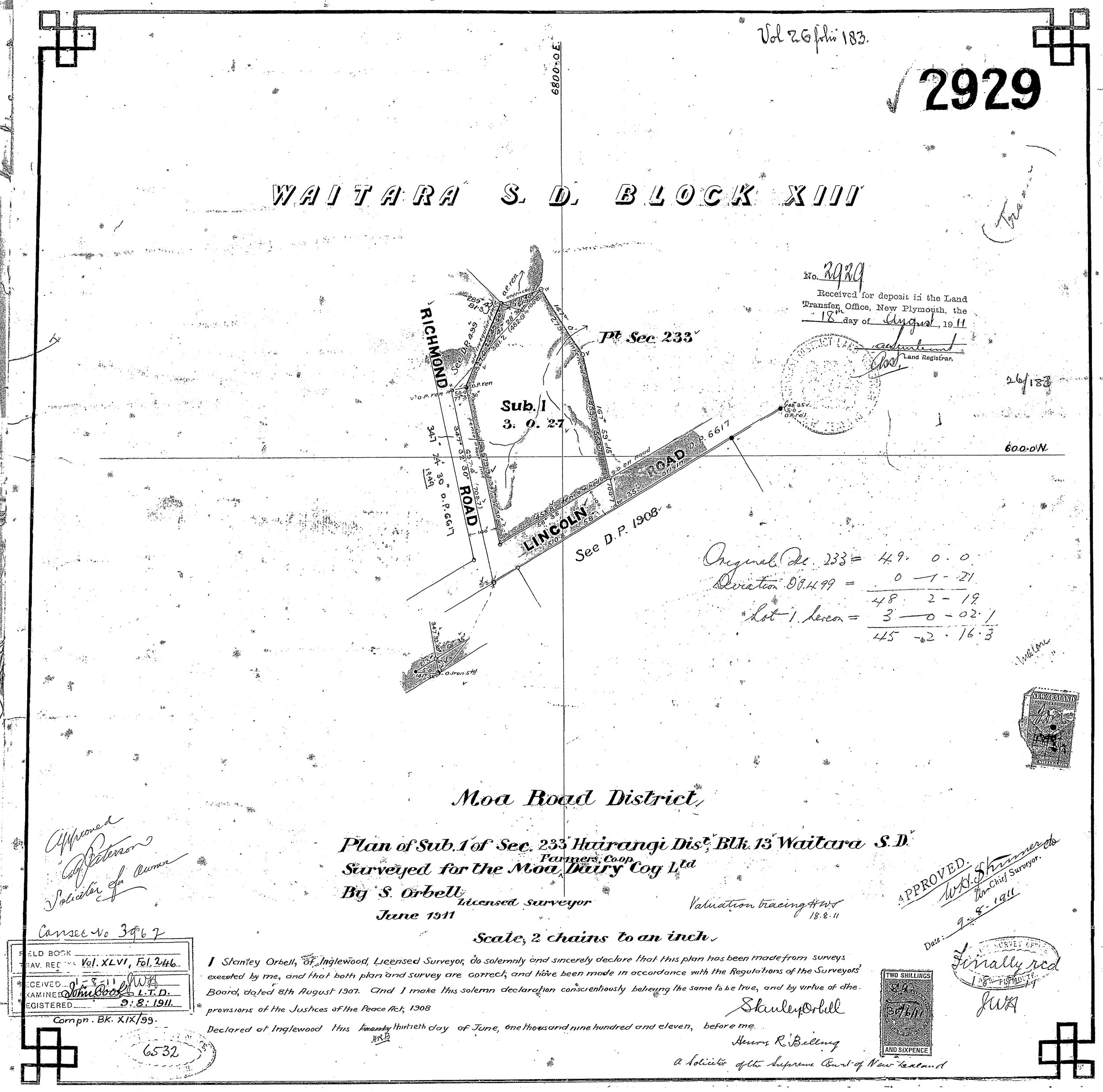
This short-lived creamery was built on the corner of Richmond and Lincoln Roads for the Moa Farmers Co-operative Dairy Company Limited by Messrs Henwood and Metcalf in time for the beginning of the 1911-1912 season.
Bristol Road
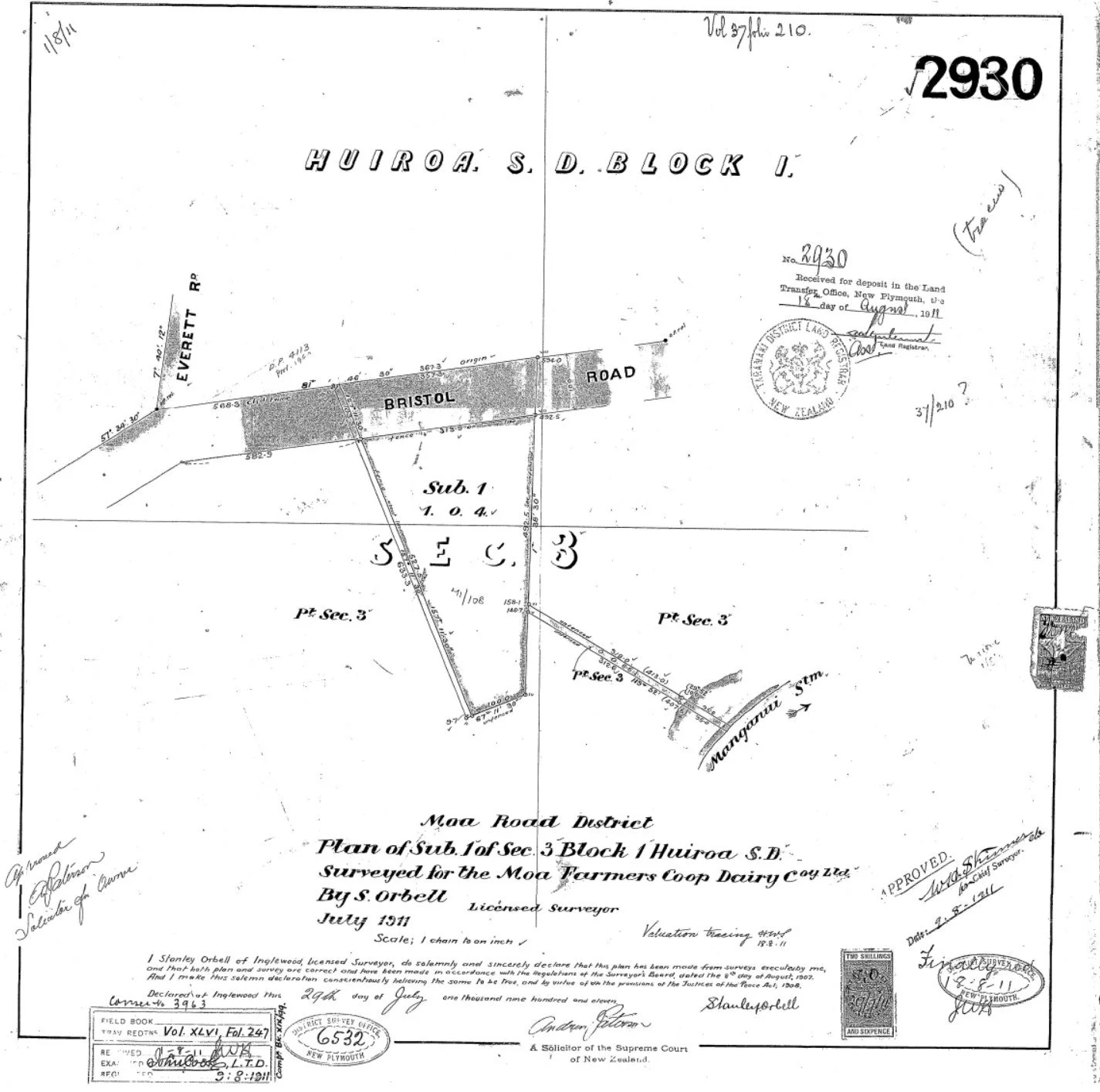
This short-lived creamery was built on the Bristol Road for the Moa Farmers Co-operative Dairy Company Limited by Messrs Peterson Bros. in time for the beginning of the 1911-1912 season.